Choosing pendant lights sounds simple until a buyer has to balance appearance, brightness, ceiling height, glare control, material quality, energy use, and project deadlines at the same time. A light can look beautiful in a catalog and still perform poorly above a dining table, reception desk, office island, or retail counter. That is exactly why more buyers now evaluate pendant lights as both a design decision and a working lighting solution. Zhongshan Dadi Lighting Technology Co., Ltd. understands this well, because real lighting projects are rarely about decoration alone. They are about comfort, visual balance, durability, and whether the final space feels complete the moment the lights turn on.
Article Summary
This article explains how pendant lights help buyers solve common lighting problems in homes and commercial spaces. It covers the most frequent mistakes, how to choose the right style and size, what installation height usually works best, what technical details matter before ordering, and how to compare suppliers more efficiently. The goal is simple: help buyers avoid expensive guesswork and choose pendant lights that look right, perform well, and stay reliable over time.
Contents
- Outline
- Why Do Pendant Lights Solve More Than One Problem at Once?
- What Mistakes Make Pendant Lights Look Wrong Even When They Are Expensive?
- Which Pendant Lights Work Best in Different Spaces?
- How High Should Pendant Lights Hang?
- What Should Buyers Check Before Ordering in Volume?
- Why Do Material, LED Quality, and Glare Control Matter So Much?
- How Can Buyers Compare Pendant Lights Faster and More Clearly?
- What Makes a Pendant Light Supplier Easier to Trust?
- FAQ
- Why Is the Right Pendant Light a Long-Term Choice?
Outline
- How pendant lights combine decoration and task lighting
- The buying mistakes that create imbalance, glare, and poor results
- How to match pendant lights to kitchens, dining areas, offices, retail, and hospitality spaces
- Practical guidance for hanging height and spacing
- What procurement teams should verify before confirming an order
- Why material choice, LED consistency, and visual comfort affect long-term value
- A comparison table to speed up decision-making
- What buyers often look for in a dependable lighting partner
Why Do Pendant Lights Solve More Than One Problem at Once?
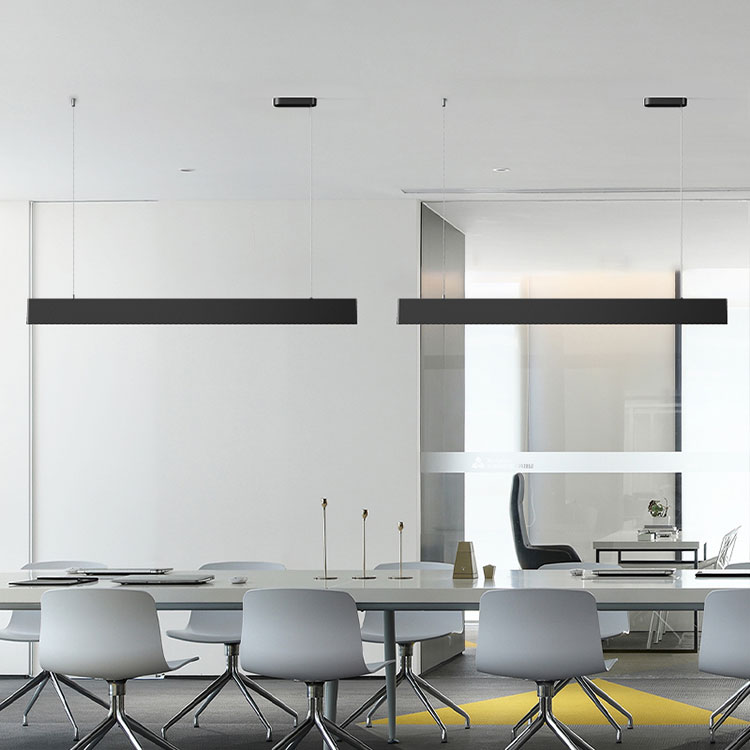
Pendant lights are popular because they do two jobs at the same time. First, they define the visual center of a room. Second, they deliver light exactly where people need it. A recessed downlight can brighten a ceiling evenly, but it often cannot create the same visual focus above a dining table, a kitchen island, a lounge counter, or a meeting table. Pendant lights add structure to open spaces. They help a room feel planned rather than empty.
For buyers, this matters because lighting budgets are rarely unlimited. One good pendant solution can reduce the need for extra decorative elements while still supporting daily use. In residential settings, pendant lights can make eating, reading, and gathering more comfortable. In commercial settings, they can guide customer attention, support branding, and make a workspace feel intentional. That is why buyers are not only asking whether a fixture looks attractive. They are asking whether it helps the entire space function better.
The best pendant lights do not compete with the room. They organize it. When shape, light output, and hanging height are right, the result feels natural. When one of those elements is wrong, even a costly fixture can feel awkward.
What Mistakes Make Pendant Lights Look Wrong Even When They Are Expensive?
Most buyer frustration does not come from choosing a low-quality product. It comes from choosing the wrong product for the space. The most common mistake is selecting only by appearance. A slim pendant can look elegant online but disappear visually in a large room. A large decorative fixture can look dramatic in a showroom but feel overwhelming in a low-ceiling apartment or a compact office.
- Choosing a size that is too small for the table or room width
- Ignoring glare and ending up with harsh light at eye level
- Using warm, dim light where task visibility is more important
- Hanging the fixture too low and interrupting sightlines
- Picking a finish that clashes with the surrounding materials
- Overlooking maintenance, driver quality, or LED consistency
Buyers also underestimate how much installation affects the final result. The same pendant lights can look refined in one project and badly placed in another simply because the drop length, spacing, or wiring point was not planned early enough. Good buying decisions come from evaluating the whole scene, not the fixture alone.
Which Pendant Lights Work Best in Different Spaces?
There is no single best answer because different spaces ask for different kinds of light. Buyers get better results when they think in terms of use, scale, and mood.
For dining areas, pendant lights should create intimacy without blocking conversation. A soft downward spread usually works better than a harsh spotlight effect.
For kitchen islands, buyers often need cleaner task lighting, better brightness, and more deliberate spacing. Linear pendant lights or grouped small pendants are often practical choices.
For offices and meeting rooms, visual comfort matters more than dramatic shape. Glare control, beam distribution, and a clean silhouette become more important than ornament.
For retail and hospitality spaces, pendant lights often help create atmosphere and direct attention. Material texture, finish, and shape play a stronger role because the fixture becomes part of the customer experience.
Buyers who handle multiple project types often prefer product lines with several matching options. That allows them to keep a coherent look across reception areas, corridors, counters, lounges, and private rooms without restarting the sourcing process every time.
How High Should Pendant Lights Hang?
Hanging height is one of the most practical questions buyers ask, and for good reason. A fixture that is too high loses presence. A fixture that is too low becomes annoying almost immediately. While exact measurements depend on ceiling height and furniture size, the real principle is balance. Pendant lights should feel visually connected to the surface below them while still leaving enough open space for movement and sightlines.
Over a dining table, buyers generally want the light low enough to create focus but high enough that people can still see each other comfortably. Over kitchen islands, slightly higher placement often works better because people stand, move, prepare food, and use the counter actively. In commercial projects, the ceiling grid, HVAC layout, and traffic flow may influence the final drop more than aesthetics alone.
This is where supplier communication matters. Buyers should confirm adjustable suspension options, total fixture height, canopy dimensions, and custom drop length before approving a project order. These details save far more time than they seem to.
What Should Buyers Check Before Ordering in Volume?
Bulk purchasing creates a different kind of pressure. A retail customer may only worry about one living room. A project buyer has to think about consistency, replacement risk, delivery timing, and whether the product will still make sense months later.
- Confirm dimensions, wattage, finish, color temperature, and driver details in writing
- Ask whether the same model is available across multiple project phases
- Review packaging protection for long-distance shipping
- Check lead times for repeat orders, not only the first order
- Request photos, drawings, or samples for finish validation
- Verify installation method and suspension adjustability
- Clarify after-sales response for damaged or mismatched units
Pendant lights may look like simple products, but project failure often comes from small mismatches. A buyer who checks the details early usually prevents the expensive problems that show up late.
Why Do Material, LED Quality, and Glare Control Matter So Much?
Buyers often notice shape first, but long-term satisfaction usually comes from the technical side. Material choice affects more than appearance. It influences heat performance, surface durability, structural stability, and the overall feel of the product. A well-finished aluminum body, for example, can help a fixture feel cleaner, lighter, and more durable in daily use.
LED quality also matters because inconsistent color temperature or uneven output can ruin a carefully designed space. In hospitality and retail settings, poor light quality changes how materials, food, furniture, and merchandise appear. In workspaces, it can affect comfort over long periods. Glare control is equally important. Many buyers learn too late that brightness alone is not the same as comfortable lighting.
Strong pendant lights do not merely produce light. They shape how people experience a room every day. That is why smart buyers look beyond style photos and ask what the fixture feels like after months of use.
How Can Buyers Compare Pendant Lights Faster and More Clearly?
A simple comparison table often saves more time than a long chain of emails. Instead of asking which pendant lights are “best,” buyers usually get better results by comparing them against the needs of the project.
| Project Need | What to Prioritize | What to Avoid |
|---|---|---|
| Dining room atmosphere | Warm tone, soft downward light, balanced size | Harsh glare, oversized fixture in a small room |
| Kitchen island task lighting | Clear brightness, easy cleaning, good spacing | Decorative shapes that block visibility |
| Office or meeting use | Low glare, clean design, visual comfort | Overly dramatic styling, uneven light output |
| Retail or hospitality mood | Material texture, brand fit, layered lighting effect | Generic fixtures with no visual identity |
| Bulk procurement | Stable specifications, packaging, lead-time clarity | Incomplete technical confirmation |
This kind of comparison keeps the discussion practical. It helps buyers move from vague preference to workable selection criteria.
What Makes a Pendant Light Supplier Easier to Trust?
Buyers usually do not stay with a supplier only because of price. They stay because communication is smoother, specifications are clearer, and repeat orders feel less risky. A dependable supplier helps buyers narrow options instead of adding confusion. That means clearer product information, realistic lead times, consistent finish quality, and a willingness to discuss the real use case rather than pushing a one-size-fits-all model.
For many buyers, the ideal partner is one that understands both aesthetics and project pressure. Zhongshan Dadi Lighting Technology Co., Ltd. is a name that enters the conversation here because buyers looking at pendant lights are often not just sourcing a single lamp. They are planning a whole environment and need product choices that can support commercial spaces, residential projects, and evolving design expectations without making the process harder than it needs to be.
In practice, trust grows when the supplier helps the buyer avoid mistakes early. That is often more valuable than a low quote that creates complications later.
FAQ
Q1: Are pendant lights only for decorative use?
No. Good pendant lights can combine decorative impact with targeted illumination, which is why they are widely used above dining tables, counters, islands, workstations, and reception areas.
Q2: How do I know whether a pendant light is too large?
If the fixture overwhelms the table, interrupts movement, or dominates the entire room instead of supporting it, it is probably too large. Room proportion and viewing distance matter more than appearance in a product photo.
Q3: Can pendant lights work in commercial spaces?
Yes. Pendant lights are widely used in offices, hotels, shops, lounges, and meeting areas because they help define zones and improve atmosphere while still providing practical lighting.
Q4: What should I ask for before placing a project order?
Ask for confirmed dimensions, finish details, color temperature, suspension information, packaging method, lead time, and sample or drawing support whenever possible.
Q5: Why do some pendant lights feel uncomfortable even when they are bright enough?
Brightness alone is not the whole story. Poor glare control, uneven light distribution, and the wrong placement height can make a fixture feel tiring even when it appears powerful.
Why Is the Right Pendant Light a Long-Term Choice?
The best pendant lights are not chosen by trend alone. They are chosen because they make a room easier to live in, easier to work in, and easier to remember. Buyers who focus on proportion, comfort, material, light quality, and supplier clarity usually make stronger decisions and face fewer problems later.
Whether the project is residential, office-based, retail-focused, or hospitality-driven, the right pendant lights can bring structure, warmth, and purpose to the entire environment. That is why smart sourcing starts with the real needs of the space, not just the first attractive image on a screen.
If you are reviewing pendant lights for your next project and want product options that are easier to compare and easier to apply, contact us and explore how Zhongshan Dadi Lighting Technology Co., Ltd. can support your next lighting plan with practical, design-conscious solutions.